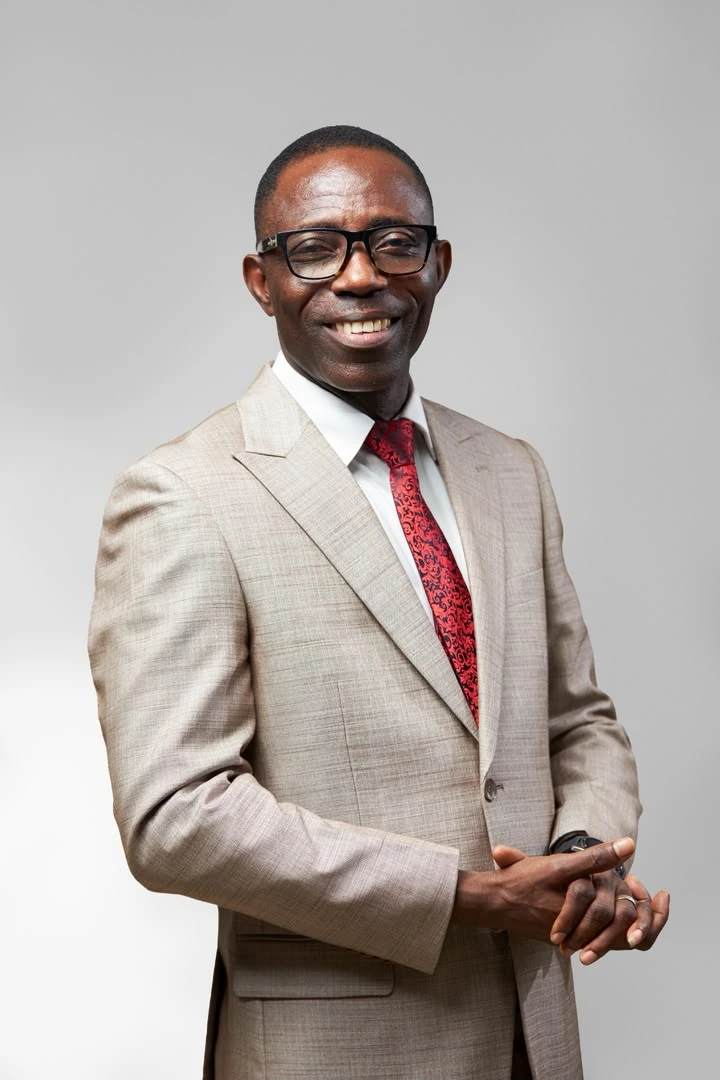
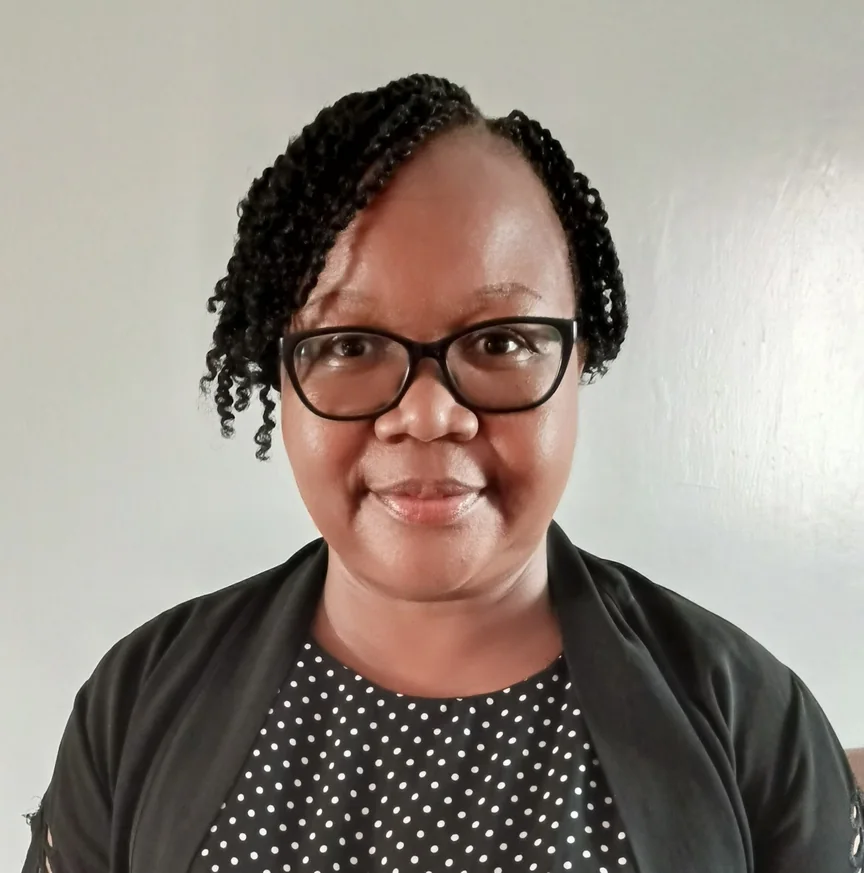
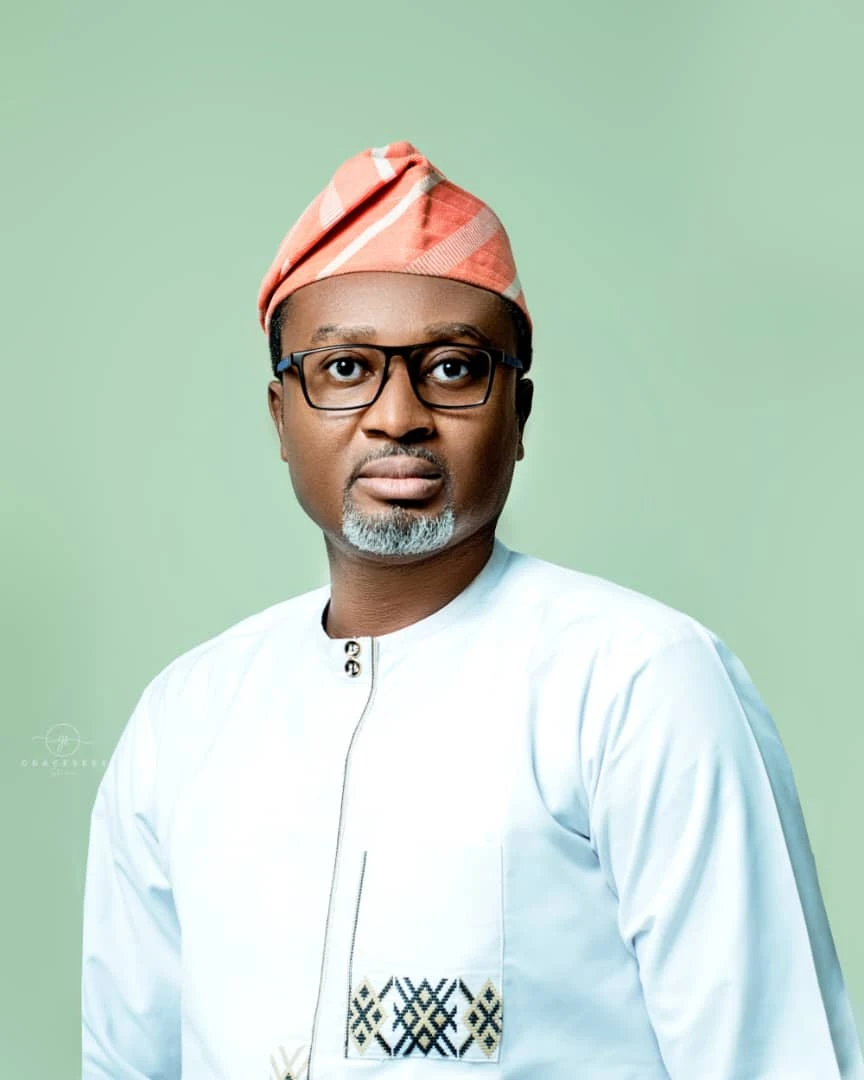
Dr Adebiyi Ogusanya is listed in the summit programme for the discussion on HIV, chronic illness and suicide prevention. A fuller biography will be added when confirmed.
MBE (2023), One Young World Ambassador, TEDx Speaker, 40+ awards won
Biography
Alice is the Founder and CEO of Ripple Suicide Prevention, a charity whose technology intercepts harmful online searches and guides people in crisis to free mental health support.
In November 2020, Alice lost her brother, Josh, to suicide at the age of 21. Josh had been researching techniques to take his own life over the internet, and he was not alone. Globally, an alarming 57.9 million online searches linked to suicide take place each year.
Determined to ensure more help and support is given to individuals searching for harmful content online, Alice founded Ripple Suicide Prevention. The charity’s award-winning technology protects close to 2 million people across more than 110 countries and territories and has intercepted more than 120,000 harmful searches. It is available free of charge to individuals, parents, schools, colleges, universities and charities worldwide.
Annie Pink has facilitated community conversations on healthy ageing and brain health with the Elders Creative Circle in Okere, Uganda. Her sessions explored movement, creativity, social connection and lifelong learning as ways to support wellbeing. She presents the ASPA Uganda session at the summit.
Anthony Tom Oluoch represents Mathare in Kenya’s National Assembly and is a member of the Law Society of Kenya. His parliamentary experience includes service on the Justice and Legal Affairs, Constitutional Implementation Oversight, and ICT committees.
Dr. Benedict Akimana is a Ugandan psychiatrist whose work spans clinical care, research, teaching and mental health advocacy. He practises at Butabika National Referral Mental Hospital and serves as publicity secretary of the Uganda Association of Psychiatrists. His interests include depression, the mental health needs of people affected by cancer, and workplace wellbeing. A former GINGER research fellow, he also uses public education to raise awareness, reduce stigma and improve access to mental healthcare.
Dr. Bergina Isbell is a psychiatrist, speaker and author who trained at the Mayo Clinic and completed graduate research training at the Johns Hopkins School of Public Health. She founded Led Life, LLC, a psychiatry service supporting mental health and recovery. Her work combines clinical care, education and guidance to help people move towards their personal and professional goals.
She contributes video presentations to the summit programme on days one and two.
Bwete Damyano works in mental health and psychosocial support in Uganda. His research and conference presentations focus on community mental health services, suicide prevention and care in refugee settings, including Kyaka II Refugee Settlement.
At the summit, he presents a case study of suicide trends and emerging risk factors in Kyaka II between 2022 and 2025.
Rev. Fr. Cephas is listed in the summit programme for the discussion on faith-based and cultural institutions in suicide prevention. A fuller biography will be added when confirmed.
Cindi Cassady is Senior Clinical Psychologist at King Faisal Hospital Rwanda’s Ketamine Clinic. Her work includes psychological assessment, individual treatment planning and integrative psychotherapy for people receiving ketamine-assisted treatment. She also mentors mental health professionals and supports clinical protocol development and research.
At the summit, she presents real-world clinical outcomes on changes in suicidal ideation during a course of six ketamine infusions in Rwanda.
Ms Damalie is listed in the summit programme for the discussion on suicide prevention among youth and children. A fuller biography will be added when confirmed.
David Savage leads software development and innovation for Ripple technology.
With over 20 years of experience in digital transformation across education, finance, healthcare and hospitality, he excels at navigating the rapidly evolving technology landscape and translating user needs into impactful solutions.
Passionate about leveraging technology for good, David drives the evolution of Ripple products, continuously advancing capabilities to stay ahead of emerging risks and adapt to changing online behaviours.
David believes in the power of proactive intervention and is committed to creating a safer digital future for all.
About Ripple Suicide Prevention Charity
Ripple Suicide Prevention Charity was founded by Alice Hendy after she lost her brother Josh in November 2020 to suicide at 21 years old. Josh had been researching techniques to take his own life over the internet. Globally, an alarming 57.9 million online searches linked to suicide take place each year.
The charity’s pioneering technology protects people online at their most vulnerable moments. It intercepts harmful searches related to self-harm, suicide and a wide range of mental health challenges, offering a message of hope and guiding people in crisis to free mental health support.
To date, Ripple technology protects close to 2 million people across more than 110 countries and territories and has intercepted more than 120,000 harmful searches. It is available free of charge to individuals, parents, schools, colleges, universities and charities worldwide.
Dickson Mbonye is a Civil and Environmental Engineering student at Uganda Christian University and the founder of Fortress Within, a club supporting young people facing addiction. He brings a youth perspective on recovery, connection and community support to the summit.
Elizabeth Ajalo is a medical doctor and researcher with an interest in community wellbeing. Her work connects public health, youth leadership and creative engagement. She moderates the summit panel on suicide prevention among children and young people.
Enid Arinaitwe is listed in the summit programme as the presenter of a cluster randomised controlled trial of a peer-led digital helpline and community reinforcement model for young people with substance use disorders in southwestern Uganda. Further biographical details will be shared when available.
Professor Etheldreda Nakimuli-Mpungu, MBChB, MMed (Psych), PhD, is an Associate Professor of Psychiatry and Psychiatric Epidemiology at the MRC/UVRI & LSHTM Uganda Research Unit. She is a psychiatrist, psychotherapist, researcher, and mental health innovator whose work focuses on developing, evaluating, and scaling evidence-based psychotherapies in low-resource settings.
She developed Group Support Psychotherapy (GSP), one of the first psychotherapies developed in Africa and rigorously evaluated through randomized clinical trials. Her research demonstrated the effectiveness and cost-effectiveness of GSP for treating depression among people living with HIV and contributed to its integration into Uganda’s national HIV treatment guidelines. Through the SEEK-GSP Academy, she supports psychotherapy training and capacity building for health workers across Africa.
Professor Nakimuli-Mpungu serves on the Executive Committee of the WPA Psychotherapy Section and represents Uganda on the World Federation for Psychotherapy Council. Her contributions have been recognized through the Presidential National Independence Medal of Honor, the Elsevier Foundation Award, BBC 100 Women, and the US Mission Outstanding Alum in Health Award.
Evelyn Connie Kharono is a counselling psychologist at Makerere University’s Counselling and Guidance Centre. She supports students and staff and contributes to mental health education, including practical approaches to managing stress, academic pressure and emotional wellbeing.
At the summit, she presents early implementation learning from a community suicide-prevention gatekeeper pilot and a planned pathway for training trainers in Uganda.
Agumya Faith is a Ugandan lawyer, suicide prevention advocate, public speaker, writer, researcher and community leader working across East Africa. Her work spans Uganda, Kenya, Tanzania and Rwanda, where she collaborates with communities and institutions to advance mental health awareness, suicide prevention and psychosocial wellbeing.
She leads Kwa Imani Community, a suicide prevention organization promoting hope, resilience and access to mental health support. She is also Community Engagement Lead at Memory Mosaics Initiative, advancing brain health, intergenerational connection and community wellbeing through creative and arts-based approaches. Faith is the Uganda Country Representative for the African Suicide Prevention Association and has been recognized for her leadership through lived experience in mental health. She speaks on suicide prevention, mental health advocacy, lived experience leadership and community-driven wellbeing.
Her training includes a Diploma in Mental Health Studies, a Certificate in Social Therapeutics and a Global Arts in Medicine Fellowship. Drawing on professional expertise and lived experience, she champions approaches that integrate mental health, creativity and community engagement.
Faith is the author of To Live or Not to Live, which uses personal storytelling to explore suicide prevention, recovery and hope. As a writer and researcher, she contributes to local and global mental health conversations and was recently published in the BMJ. With a background in law and social impact leadership, she is committed to advancing equity, protecting vulnerable populations and building systems of care. She believes compassion, storytelling and the arts can spark dialogue, strengthen communities and inspire meaningful change.
Foday Sarr is founder and president of the Africa Suicide Prevention Association, which brings together suicide prevention organisations, researchers, advocates and people with lived experience across Africa. His leadership promotes regional cooperation, training, policy reform and community-based mental health support. He also represents Africa Project Against Suicide in international exchanges on crisis support and helpline development. He advocates for suicide prevention to become a shared public health and human rights priority across the continent.
Gerald Blacks Siranda is an elected Ugandan member of the East African Legislative Assembly for its fifth assembly, serving from 2022 to 2027. He joins the summit’s discussion on policy, legislation and governance for suicide prevention.
Gerry Opoka is a wellness consultant and founder of Soul Wellness, Soul Fitness and Soul Foundation. Her work brings together movement, mindfulness and community care. She partners with Butabika National Referral Mental Hospital on patient welfare and mental health awareness.
Grace Adedunmade Ogunleye works with Nigeria’s National Mental Health Programme at the Federal Ministry of Health and Social Welfare. She contributed to the national mental health policy and joins the summit’s policy, legislation and governance panel.
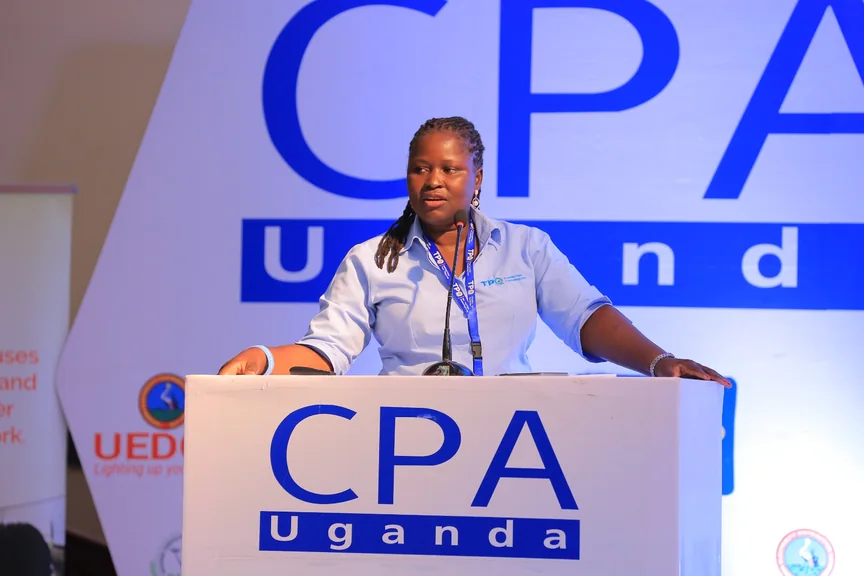
Grace Obalim is a mental health and psychosocial support adviser at TPO Uganda and National Coordinator of Uganda’s Mental Health and Psychosocial Support Working Group. Her work brings together mental health partners and promotes supportive communities, effective coordination and wellbeing in institutions.
Herbert Ainamani is a clinical psychologist and researcher affiliated with Kabale University’s School of Medicine in Uganda. His research addresses trauma-related disorders, cognitive functioning, psychotherapy and mental health in refugee and caregiving contexts. He was an International Presidential Visiting Scholar Fellow at the University of Regensburg in 2023.
At the summit, he presents a qualitative study of stakeholder perspectives on suicidal behaviour and community-informed opportunities for suicide prevention in rural Uganda.
Innocent Ayesiga is a Ugandan medical doctor and in-country director of Eye Health Africa. His work includes building partnerships, improving access to eye care and supporting local clinical skills. At the summit he moderates the civil society and community action panel and chairs the abstract review session.
Jacqueline Asiimwe is the founder and CEO of CivSource Africa, where she works to strengthen philanthropic practice and support civil society across Africa. A lawyer, professional coach and leadership mentor, she brings experience in grant making, advocacy and community giving.
Jacqueline Muwanga leads strategic partnerships and programme development at the Uganda Parliamentary Forum on Mental Health. Her work connects organisations around mental health advocacy, community support and stronger collaboration across Uganda’s mental health sector.
She moderates the summit discussion on HIV, chronic illness and suicide prevention.
John Kamulegeya is listed in the summit programme for the discussion on disability-inclusive suicide prevention. A fuller biography will be added when confirmed.
LICSW, MBA · Clinical Social Worker & PhD Candidate (expected 2028)
Institute for Clinical Social Work, Chicago, Illinois
Read bio
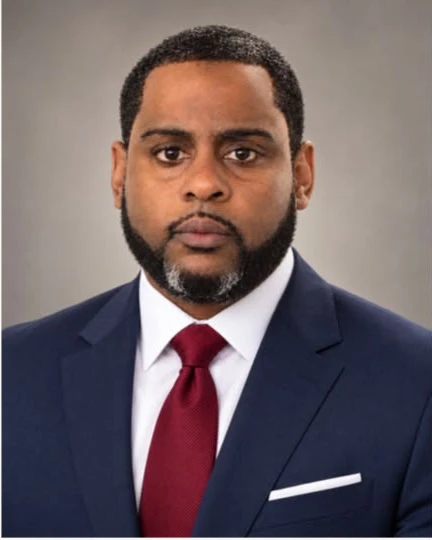
Jonathan Stewart
LICSW, MBA · Clinical Social Worker & PhD Candidate (expected 2028)
Institute for Clinical Social Work, Chicago, Illinois
Biography
Jonathan Stewart, LICSW, MBA, is a licensed independent clinical social worker, U.S. Navy veteran, educator, and PhD candidate at the Institute for Clinical Social Work in Chicago. His work brings a psychodynamic and psychoanalytic perspective to trauma, adolescent mental health, and the relationships that help people feel safe enough to seek support.
His experience spans school-based mental health, crisis intervention, clinical practice, and graduate teaching in play therapy. He approaches care through a strengths-based lens, with attention to how culture, lived experience, and institutional conditions shape distress and access to help.
Stewart was recently brought on to provide suicide prevention support for U.S. Air Force special operations personnel. This new role extends his commitment to supporting people navigating trauma and the pressures of demanding service environments.
In Uganda, he is developing The Teacher as Container, a proposed doctoral study focused on culturally grounded relational support for secondary-school teachers. The project centres educators' knowledge and seeks to co-develop approaches that support teachers in responding thoughtfully to emotional distress within their schools.
At the 1st African Regional Summit on Suicide Prevention 2026, Stewart connects these interests to the theme "From Silence to Action: Advancing Suicide Prevention Across Africa." His contribution focuses on how schools, workplaces, and healthcare settings can strengthen compassionate responses, reduce barriers to help-seeking, and build dependable pathways to care.
Prof. Joseph Osafo is a Professor of Clinical/Health Psychology and Director of the Centre for Ageing Studies (CAS) at the University of Ghana. He is also Executive Director of the Centre for Suicide and Violence Research–Ghana (CSVR) and a Life Patron of the Ghana Association for Suicide Prevention (GASP).
A suicide preventionist and leading advocate for decriminalising attempted suicide in Ghana, he is the lead coordinator for Partnerships for Life in Africa. This global initiative of the International Association for Suicide Prevention (IASP) works to prevent suicide in regions around the world.
His research interests include suicidality, child and maternal health, child development and mental health, adolescent sexuality, divorce, and related issues in mental health and ageing.
Joseph Tahinduka has worked in university debate and public dialogue, including as Chairperson of the Uganda Universities Debate Presidents Council. He moderates the summit discussion on policy, legislation and governance for suicide prevention.
Marianne Bassing is a postgraduate associate in the Cha Lab at Yale’s Child Study Center. She earned a master’s degree in Clinical Psychology from Teachers College, Columbia University in 2025. Her research interests include protective factors that support adaptation to adversity and cognitive processes relevant to young people’s mental health.
Her research experience includes studies of pre-teen and adolescent perceptions of death and suicide. At the summit, she discusses why conversations about suicide matter for young people in Africa.
Mwalimu Martin Amanya promotes mental health education and supportive school environments. His public work emphasises equipping teachers and other adults to support learners, sharing responsibility for wellbeing across the school community, and strengthening both student and teacher support.
He moderates the summit discussion on digital innovation, AI and social media impact on suicide.
Melanie Magoba is an Associate Consultant Psychiatrist at Kampala Hospital. Her clinical work includes mood, stress, anxiety and trauma-related conditions. She contributes to the summit discussion on creating safer workplaces, schools and healthcare settings.
Merab Mulindi is a counselling psychologist and founding member of Befrienders Kenya. She works to expand compassionate support for people in distress and strengthen community understanding of suicide prevention. As an International Association for Suicide Prevention representative, she has helped develop community initiatives and contributed to Kenya's Suicide Prevention Strategy 2021–2026. Her work also includes research on suicide bereavement, stigma and help-seeking, linking community experience with evidence to inform more responsive support.
Dr. Mohammed Audu is a Nigerian mental health counseling consultant, academic, behavioral health practitioner and social reformer. His work spans clinical practice, policy formulation, grassroots humanitarian interventions and international diplomacy, with a focus on substance use disorders, adolescent psychology and suicide prevention.
He is the Chairman and Chief Executive Officer of the Dr. Mohammed Audu Foundation and Rehabilitation Center, where he leads community-centered rehabilitation and mental health services for people affected by substance use disorders, trauma and severe psychosocial distress. He is also Advisory Chairman of the African Suicide Prevention Association and an Institutional Council Member of the Psychotherapeutic & Counseling Research Institute Nigeria.
Dr. Audu has contributed to Nigeria's Mental Health Policy Review and Validation and National Suicide Prevention Policy Review and Validation. His work advocates rights-based mental health care, compassionate responses to suicidal distress, community gatekeeper training, stigma reduction and coordinated support for substance use and psychological trauma.
As a lecturer and researcher, he works on integrative behavioral health, adolescent risk dynamics, relapse prevention and crisis guidance. His philanthropy and social mobilization connect public-private partnerships, donor networks and community volunteers to support treatment scholarships, youth mental health clubs and health equity across Nigeria and Africa.
Moses Muwanguzi is a Ugandan medical doctor and mental health researcher affiliated with Mbarara University of Science and Technology. His work explores mental health, childhood trauma and HIV, with a particular interest in community participation and the mental health of young people.
His summit presentation examines social connectedness, loneliness and suicidality among older people in Mbarara City, southwestern Uganda.
Nhlabatsi Dlamini is listed in the summit programme as the presenter of research on lifetime suicidal ideation and psychosocial factors among undergraduate students at the University of Eswatini. Further biographical details will be shared when available.
Nosisa is listed in the summit programme as the presenter of work on gender-responsive psychosocial support and suicide prevention among men in Eswatini. Further biographical details will be shared when available.
Nusula Nakato is a Mental Health Programme Officer at the Uganda Parliamentary Forum on Mental Health. She contributes to mental health advocacy, policy engagement and partnerships that bring organisations together to strengthen community support.
She moderates the summit discussion on disability-inclusive suicide prevention, accessibility and participation.
Nyeko Paul is listed in the summit programme as the presenter of work on peer support workers and postvention care for psychiatric survivors in northern Uganda. He also presents the Gulu Mental Health 10KM Run as a platform for suicide prevention and stigma reduction. Further biographical details will be shared when available.
Phillip Andrew Mwebaze leads the African Health Grid Foundation, a Ugandan organisation working to improve health literacy. His work includes training young journalists to communicate health information clearly and ethically. He joins the summit panel on digital innovation, AI and social media.
Priscilla Osei-Bonsu holds an MPhil in Clinical Psychology from the University of Ghana. She is a clinical psychologist at SOW Consult and a research assistant for the International Association for Suicide Prevention’s Partnerships for Life initiative.
Her research interests include women’s mental health, suicidality and ageing.
Robinah Nabbanja is Uganda’s Prime Minister and Leader of Government Business in Parliament. She previously served as Minister of State for Health in charge of General Duties and has a background in local government, community mobilisation and public service.
Rose Obigah is a lawyer and the District Woman Representative for Terego in Uganda’s Parliament. She participates in parliamentary mental health awareness and advocacy, bringing a public policy perspective to the summit.
Dr. Sabrina Bakeera Kitaka is a specialist paediatrician and senior lecturer in Makerere University's Department of Paediatrics and Child Health. Her work combines paediatric infectious disease research with clinical care for children and adolescents living with HIV. She directs Makerere's Adolescent Health training programme and is the founding president of the Society of Adolescent Health in Uganda. She holds a PhD from the University of Antwerp and is a fellow of the Uganda National Academy of Sciences.
Samantha Mary is a health researcher and research administrator associated with Mbarara University of Science and Technology. Her published work includes research on health service delivery and implementation of mental health care in primary care settings. The university has also identified her as administrator of its Data Science and Research Hub.
At the summit, she presents a qualitative study on district health management teams and implementation of the WHO LIVE LIFE suicide prevention framework in rural Uganda.
Ms Shalom is listed in the summit programme for the discussion on suicide prevention in workplaces, schools and healthcare settings. A fuller biography will be added when confirmed.
Professor Taiwo Lateef Sheikh is a professor of psychiatry at Ahmadu Bello University in Nigeria and LifeLine International's continental representative for Africa. He works across clinical practice, research and public policy to strengthen mental health care and suicide prevention. His advocacy supports culturally sensitive community responses, access to crisis support and reforms to laws affecting people in distress. He has contributed to mental health policy in Nigeria and serves on an Africa CDC advisory committee.
Thomas Owondo is a mental health and public health professional working with Action Against Hunger in Uganda. His work in Adjumani integrates mental health and psychosocial support into maternal and infant nutrition programmes, including training community health workers and midwives to screen, counsel and refer caregivers.
At the summit, he presents an implementation model for integrating suicidal ideation screening into maternal nutrition services in humanitarian settings.
Tracy Kababiito is a Ugandan actor, voice artist, host and digital creator. She created Refined for the Mind, a podcast exploring emotional wellbeing, identity and intentional living, and also supports young performers through acting workshops. She joins the summit’s creative arts, culture and heritage panel.